

Xiamen Changsu Industrial Co., Ltd.


0
-80px
-80px
-80px


New Production Site-Indonesia

Service Excellence

Global Footprint

Client Accountability

Pre-Sales & After-Sales Services: Your Trusted Partner from Inquiry to Delivery
When exploring advanced materials for flexible packaging, one question that frequently arises is whether BOPA film offers antioxidant properties. BOPA (Biaxially Oriented Polyamide) is widely recognized for its mechanical strength and gas barrier performance. However, its role in preventing oxidation—especially in food and sensitive product applications—deserves a closer look. This article examines the scientific basis behind the antioxidant potential of BOPA film, separating marketing claims from measurable material behavior.
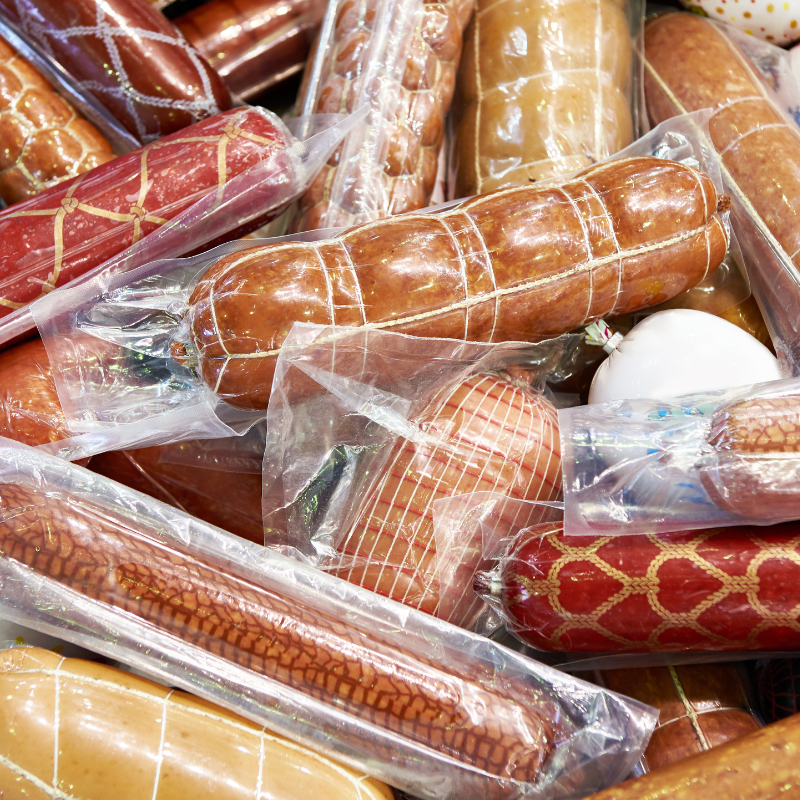
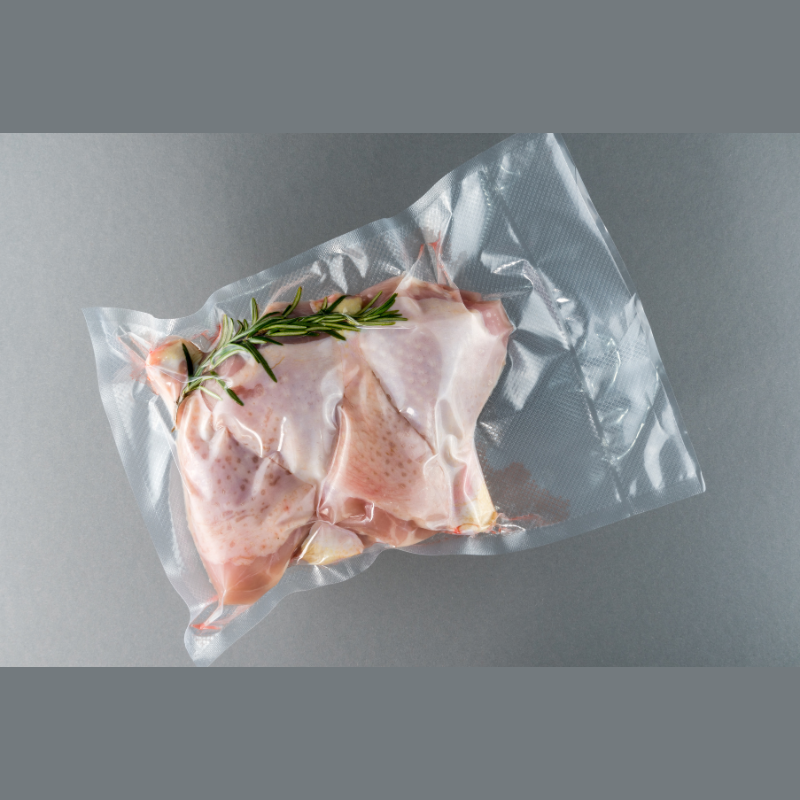
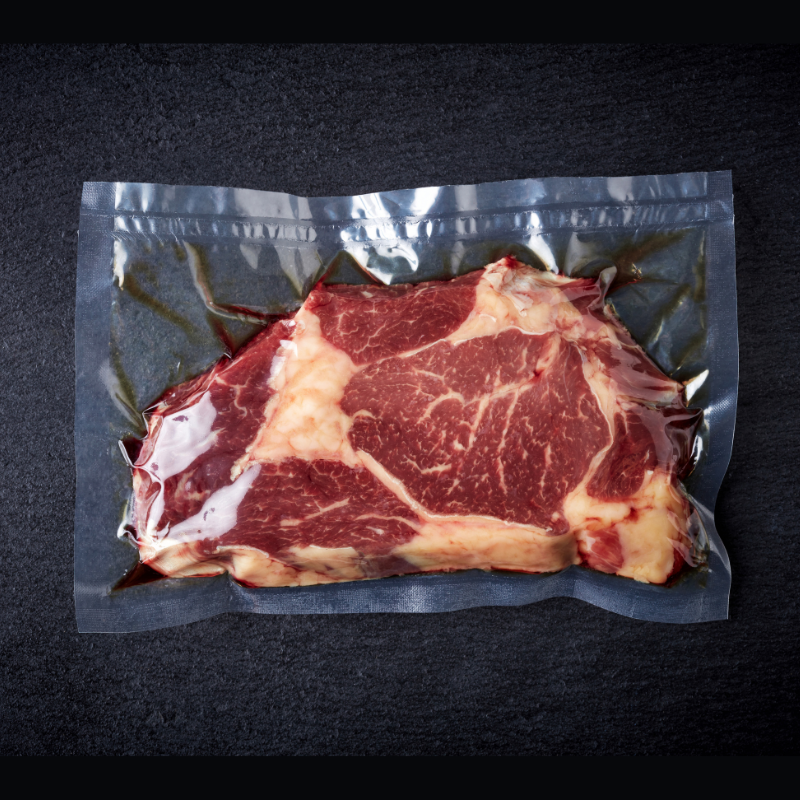
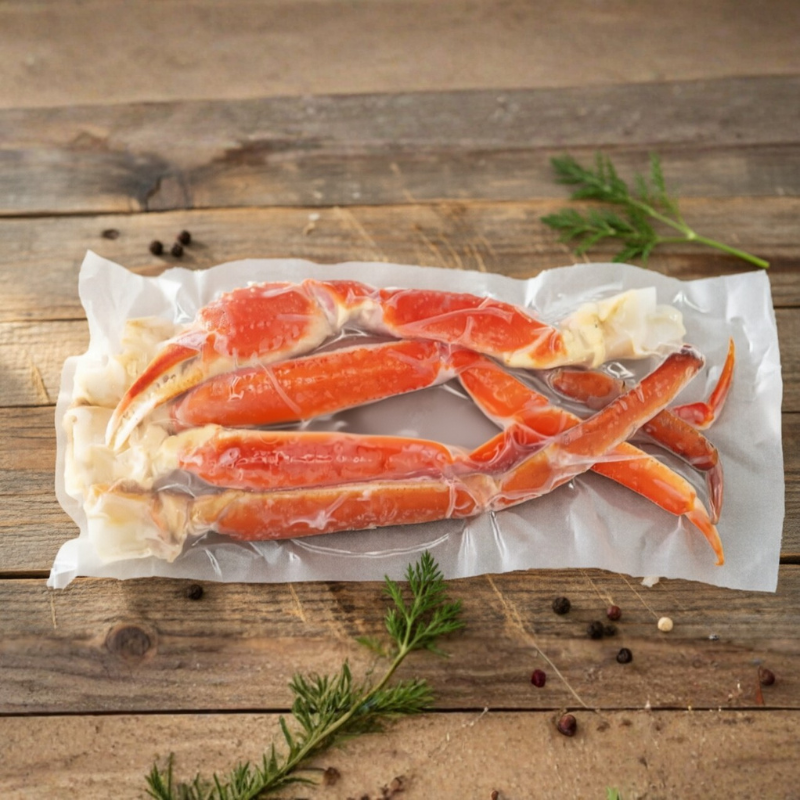
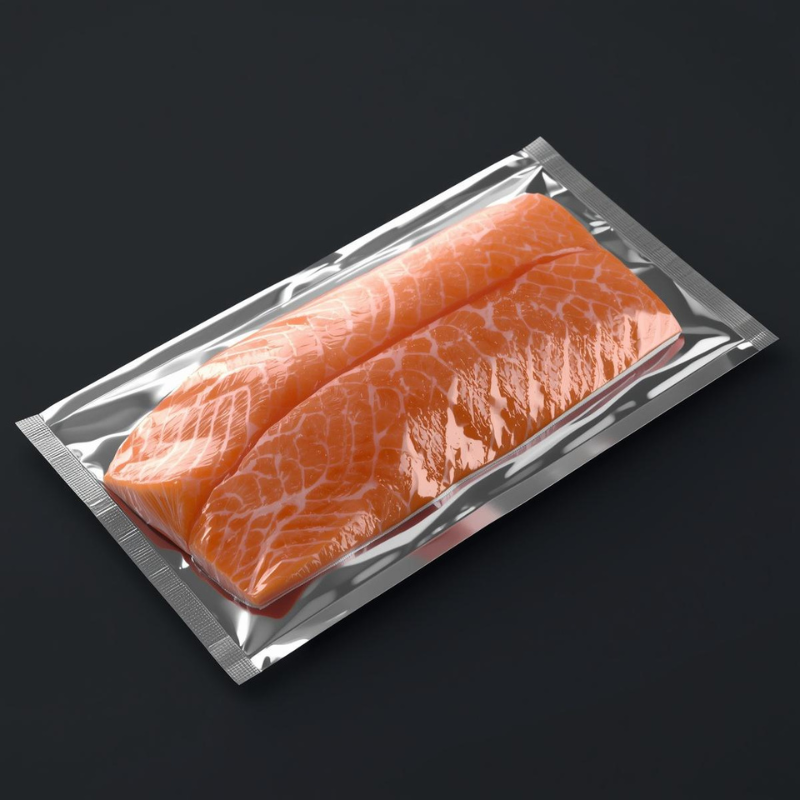
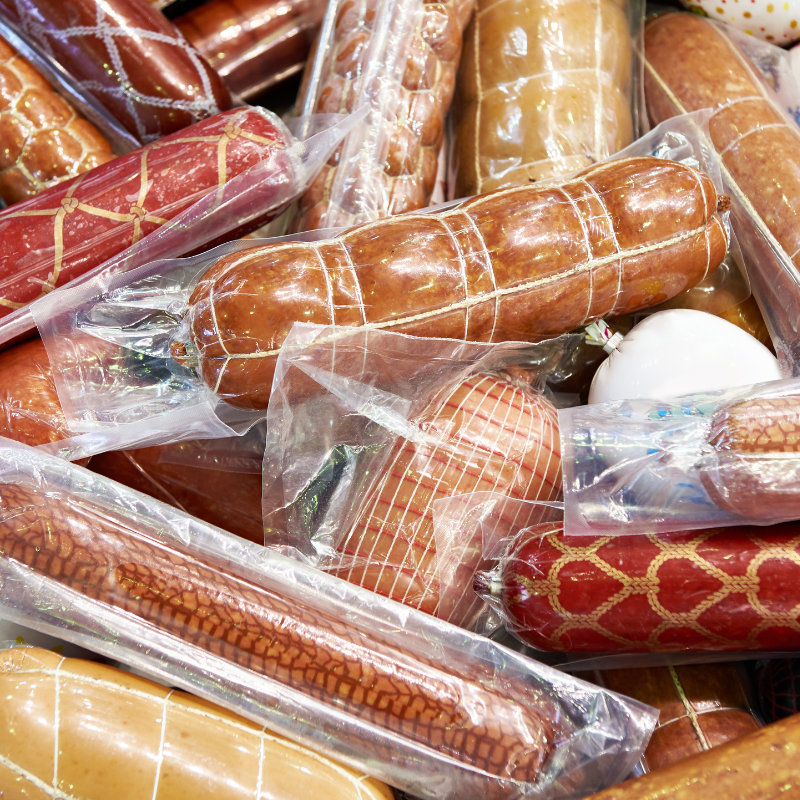
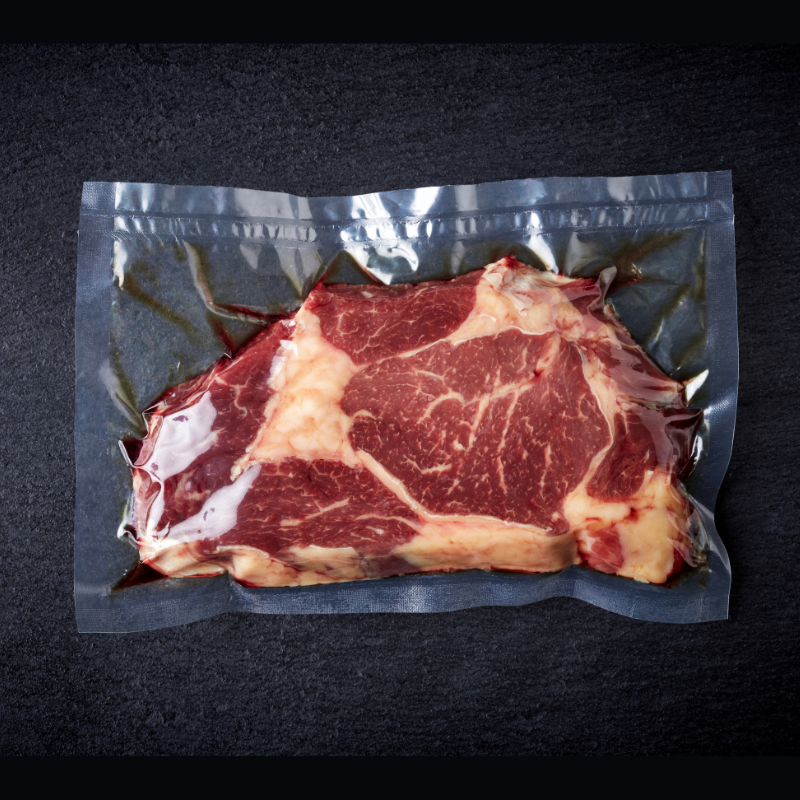
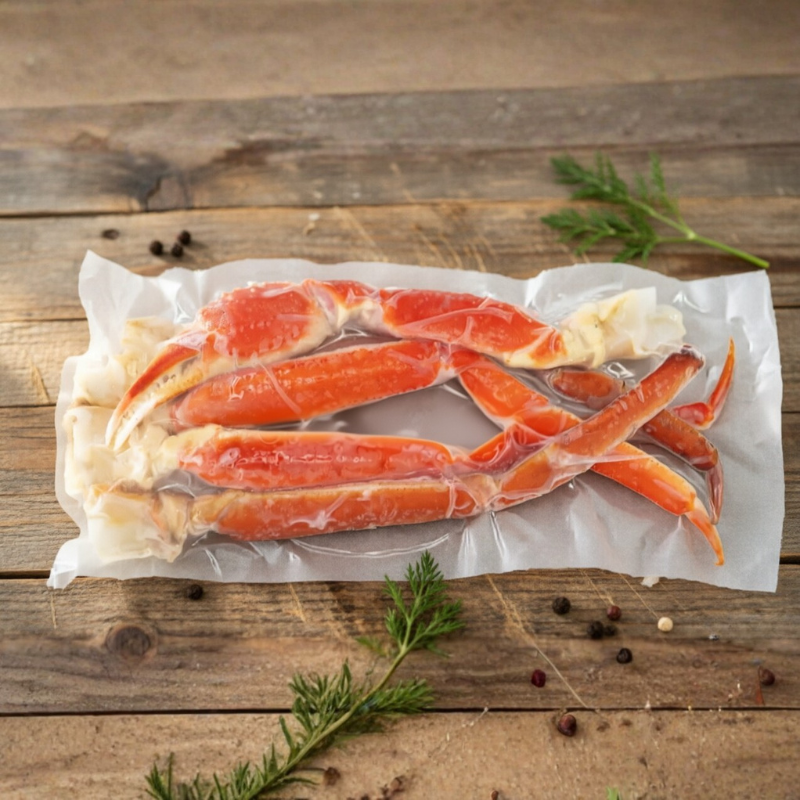
Vacuum bags must withstand extreme pressure differences and sharp product edges. BOPA film is the industry standard because it offers unmatched tensile strength and elongation. Without BOPA film, most vacuum bags would rupture when air is fully evacuated. BOPA film resists punctures from bone-in meats or frozen seafood, making it indispensable for vacuum sealing. Every time you use a high-quality vacuum bag, you are relying on BOPA film as the core mechanical layer. This explains why BOPA film dominates the vacuum bag market.
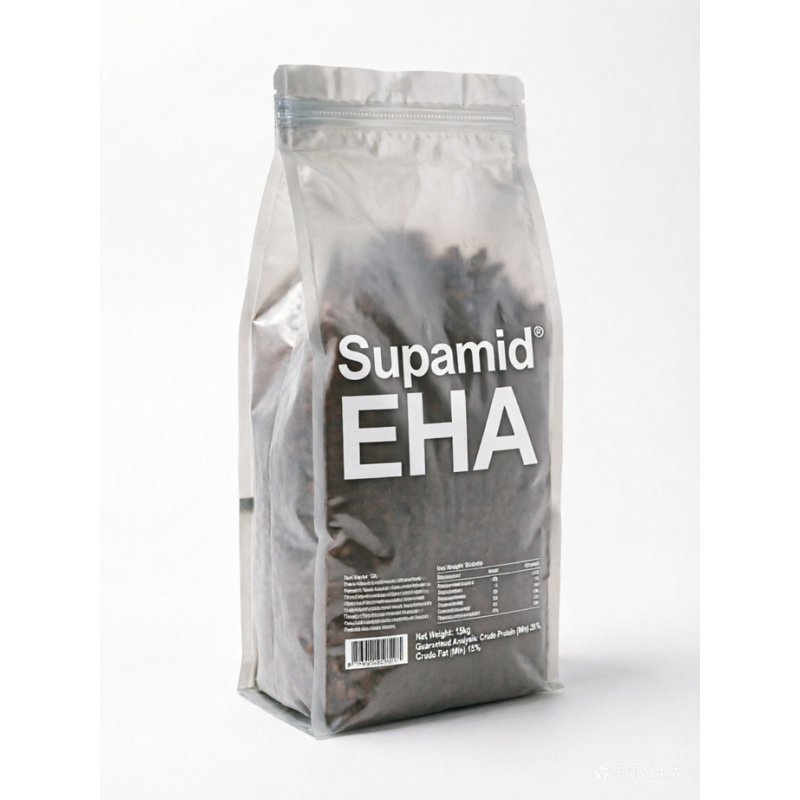
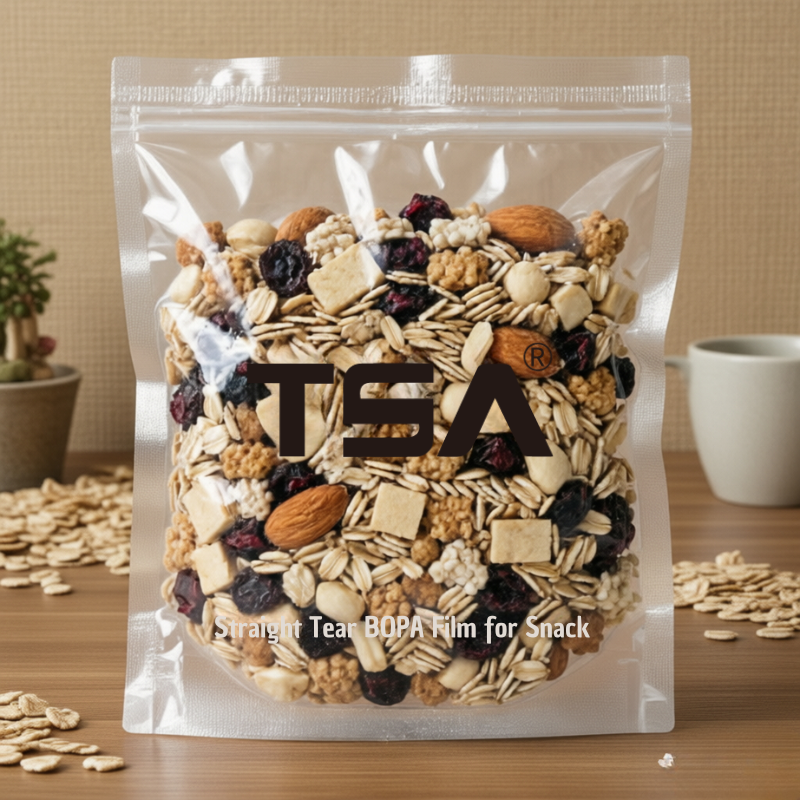
BOPA film with straight line tear properties offers a unique combination of printability and consumer convenience. Always validate tear performance after printing to ensure the straight line tear BOPA film delivers as promised.
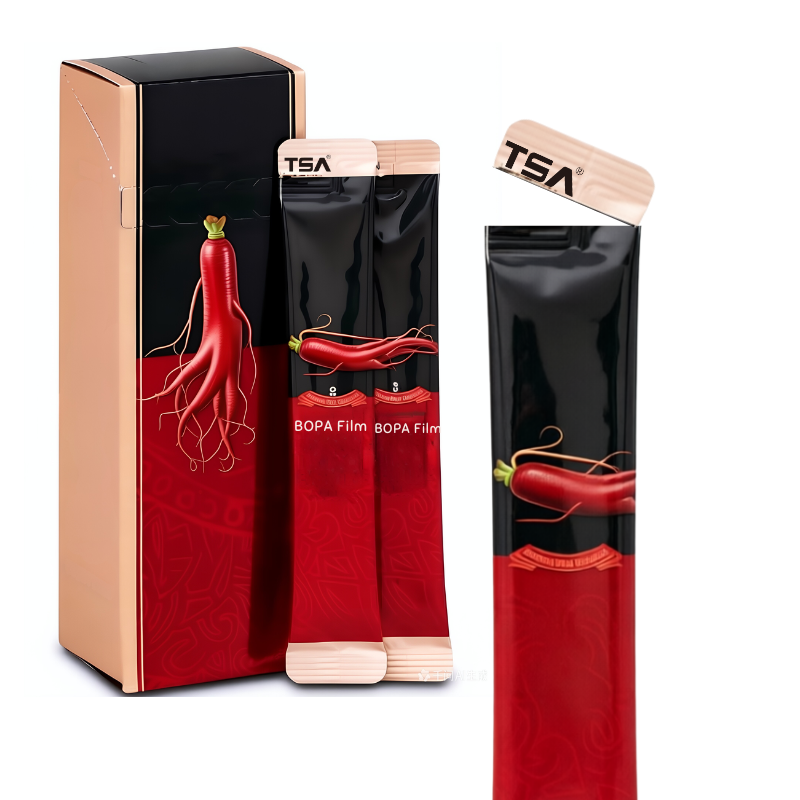
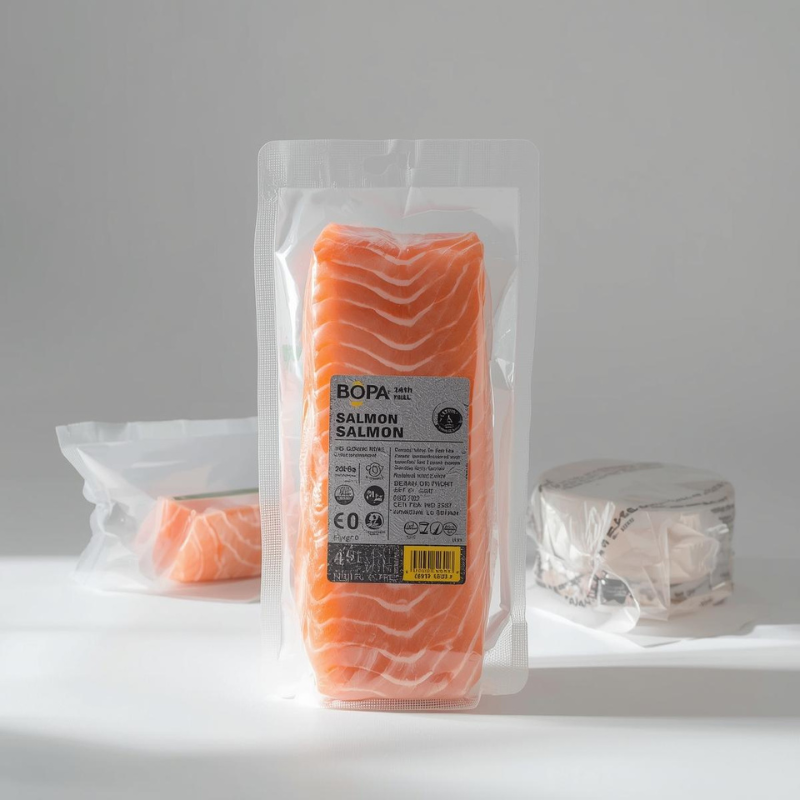
BOPA film (biaxially oriented polyamide) is widely used in flexible packaging due to its exceptional strength and puncture resistance. However, printing on BOPA film is not the same as printing on polyethylene or polyester. BOPA film has high hygroscopicity, meaning it absorbs moisture from the air. If you print on BOPA film without proper preparation, the result will show ink peeling, white spots, or poor adhesion. Understanding how to print on BOPA film correctly ensures that your final package maintains both aesthetic appeal and functional integrity.
BOPA film outperforms polyester and polypropylene in standardized dart drop tests. Due to its biaxially oriented nylon structure, BOPA film absorbs impact energy without propagating tears. Where other films rupture at 2–3 Newtons, BOPA film withstands 8–10 Newtons. Therefore, BOPA film is the industry standard for sharp-edged products like frozen fish, bone-in meat, and hardware components.
The short answer is: BOPA film alone does not block moisture effectively. BOPA film is polyamide, which is inherently hydrophilic. That means BOPA film absorbs water vapor rather than repelling it. At 85% relative humidity, BOPA film can absorb up to 9% of its weight in moisture.
Choose BOPA film when your package faces sharp edges, vacuum pressure, or retort heat. Choose BOPA film for food packaging for protein-based products. Select high barrier BOPA film for oxygen-sensitive contents lasting months. Select bopp packaging film for lightweight dry snacks with no puncture risk. Finally, use bopp food packaging for candy and chips needing moisture defense. Both materials have roles, but BOPA film offers unmatched toughness. For demanding applications, BOPA film is clearly better.
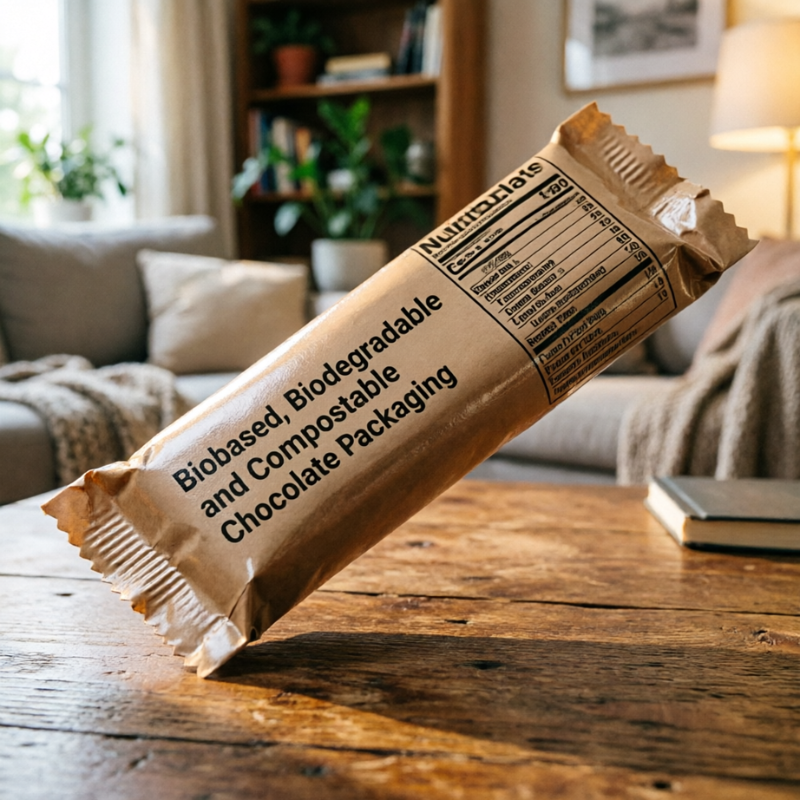
BOPA film can be circular, but not everywhere. Standard BOPA film leads in current recyclability. Bio based BOPA Film leads in future potential. High barrier BOPA film lags behind. Lithium battery BOPA film leads in regulatory push. Always ask your recycler before disposing of any BOPA film.

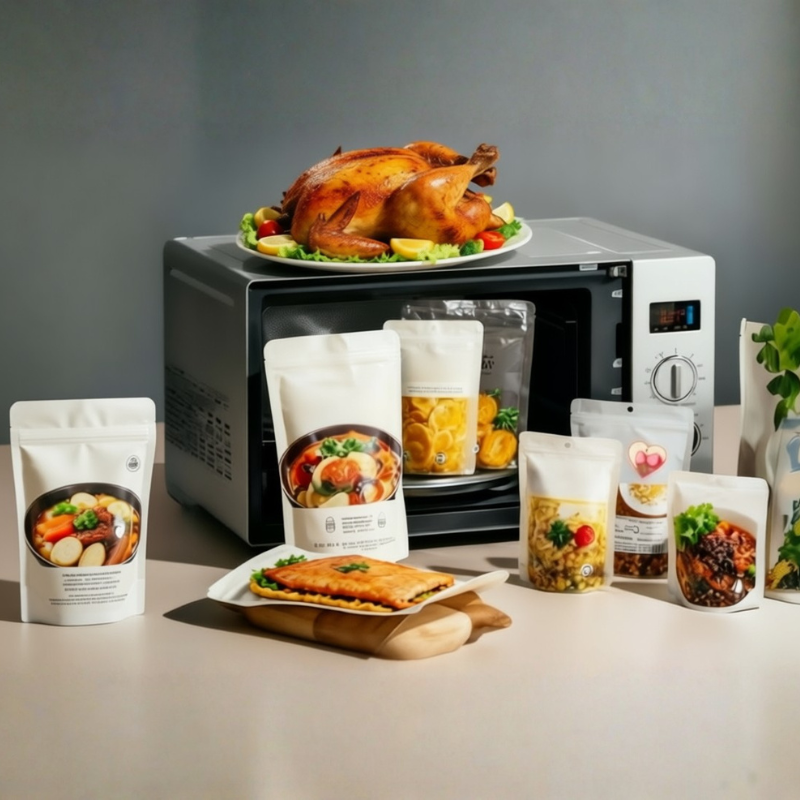
Microwave safety is not automatic for all plastics. So, is standard BOPA film microwave-safe? The short answer is generally no. BOPA film is a biaxially oriented nylon with a melting point around 220°C (428°F). However, microwave heating creates hot spots that can exceed this locally. BOPA film also absorbs moisture, which turns into steam under microwave radiation. This steam expansion causes BOPA film to warp, shrink, or even rupture. Unlike polypropylene, BOPA film is not designed for direct microwave exposure. Therefore, understanding these limits is essential for food safety.
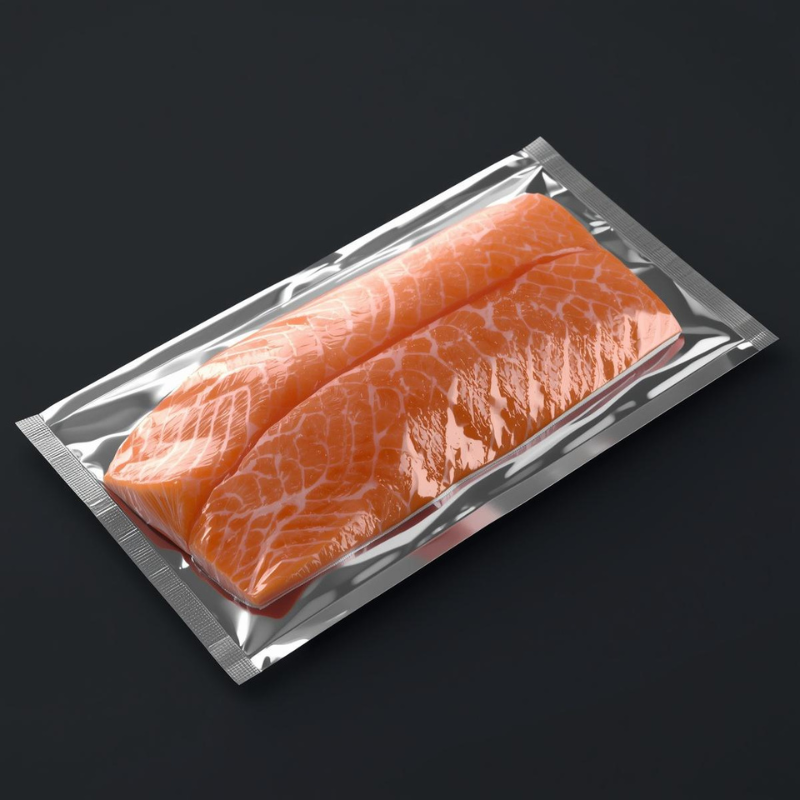
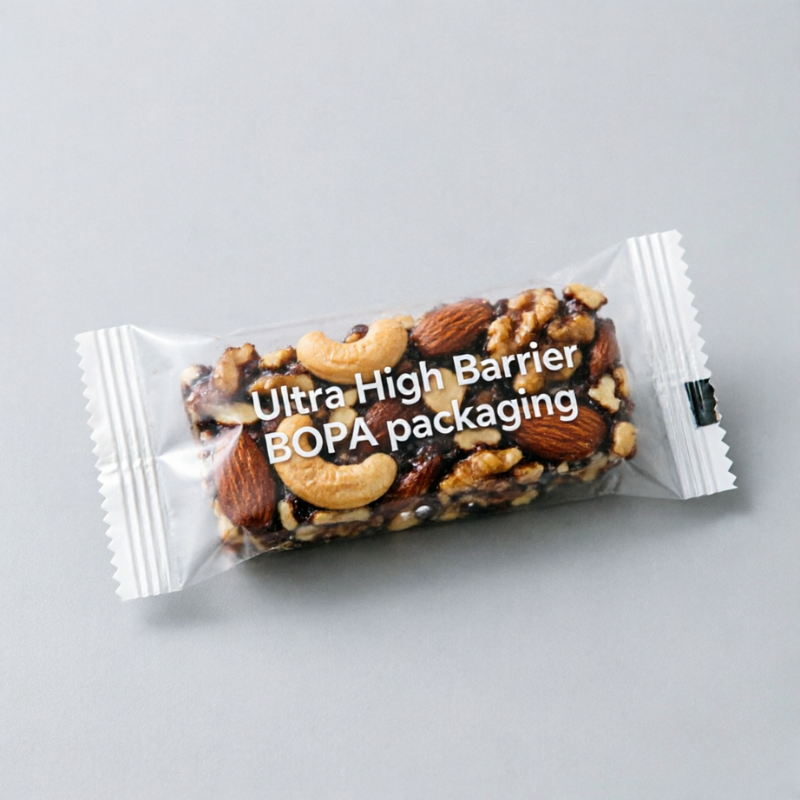
BOPA film offers an oxygen barrier of 40–60 cc/m²/day and a moderate moisture barrier. Standard BOPA film excels at aroma retention and mechanical strength. As a surimi packaging film, it prevents oxidation and color change. For BOPA for imitation crab meat, it ensures freshness and visual appeal.